
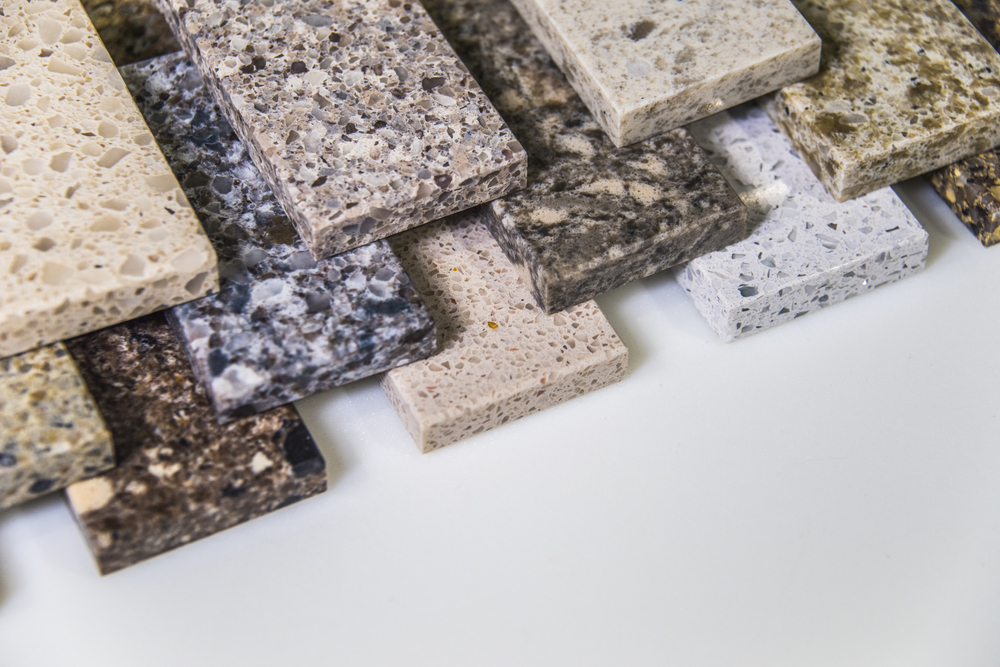
Granite is a natural stone and, depending on its composition, it can be porous to varying degrees. Because of this, sealing is often recommended to help protect the surface from absorbing liquids and developing stains.
Not all granite behaves the same. Some slabs are denser and more resistant, while others may absorb moisture more easily. That’s why sealing is typically evaluated based on the specific material used.
Why sealing is important:
- helps reduce the risk of staining
- slows down liquid absorption
- makes daily maintenance easier
A properly sealed surface creates a protective barrier, but it does not make the stone completely stain-proof. Spills should still be cleaned promptly.
How often should sealing be done:
There is no universal schedule. In many cases, sealing may be recommended:
- once a year
- or as needed, depending on use and exposure
A simple way to check is to see how quickly water darkens the surface. If water absorbs quickly, resealing may be needed.
General care tips:
- clean regularly with mild, non-abrasive cleaners
- avoid harsh chemicals
- wipe spills promptly
- use cutting boards and trivets when possible
Important note:
Sealing is a preventative maintenance step and does not guarantee full protection against stains or damage. Performance depends on the specific stone, installation, and usage conditions.